Advocating for affirmative action to ensure fair representation of women in Parliament and county assemblies.
This is one of the most powerful legacies of Mama Asiyo and other women in leadership who believed in empowering women in Kenya. It is a non-partisan and advocacy movement that unites women from diverse social, political and professional backgrounds with the aim of amplifying their voices in decision making forums. The caucus strives to advocate and support women leaders so that they can thrive in their spaces and male dominated fields. The notable roles of the caucus include;
Advocating for affirmative action to ensure fair representation of women in Parliament and county assemblies.
Engaging in constitutional and legal reforms to safeguard women’s rights.
Creating a unified space where women leaders from different political parties or professions can collaborate despite their differences.


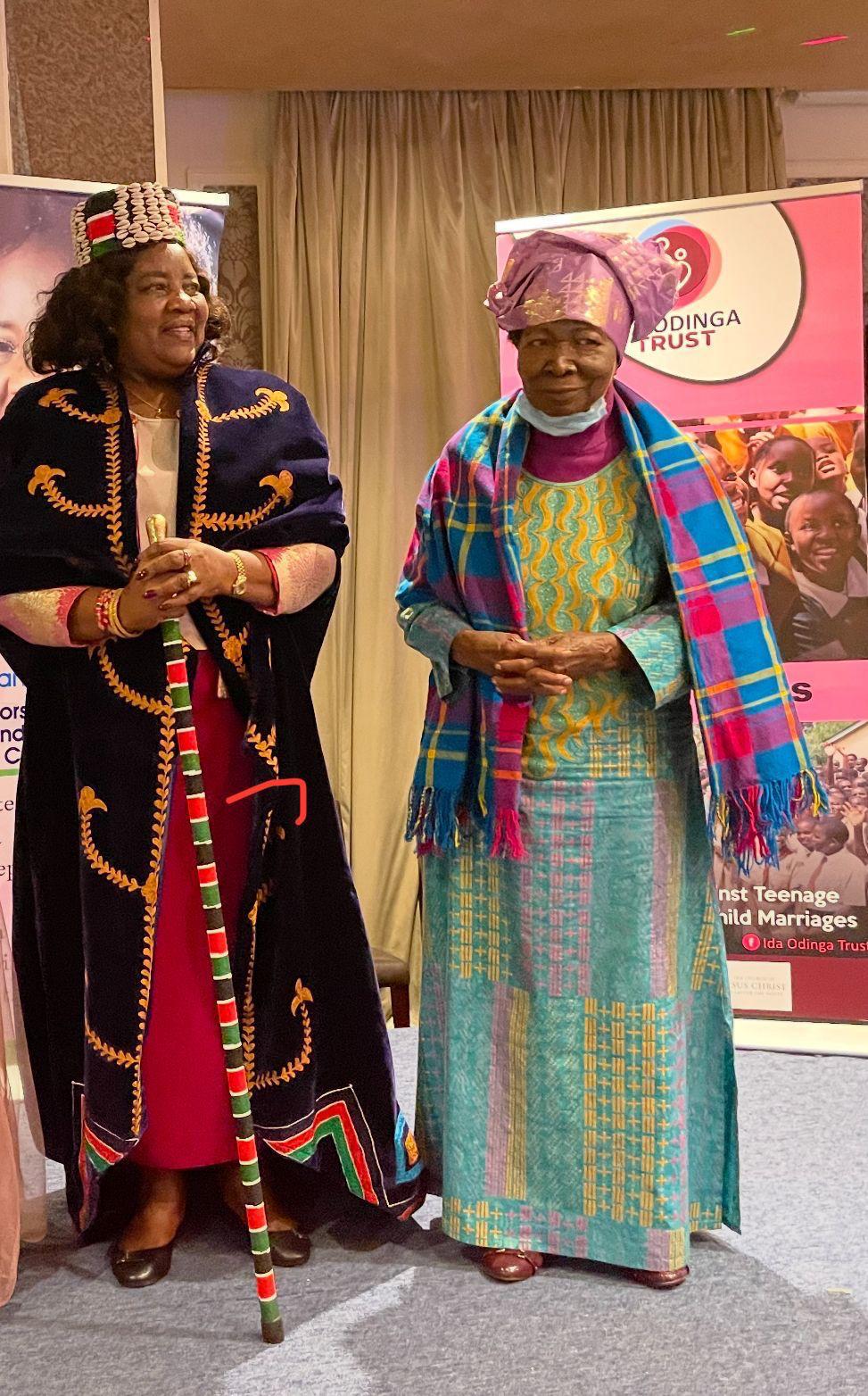
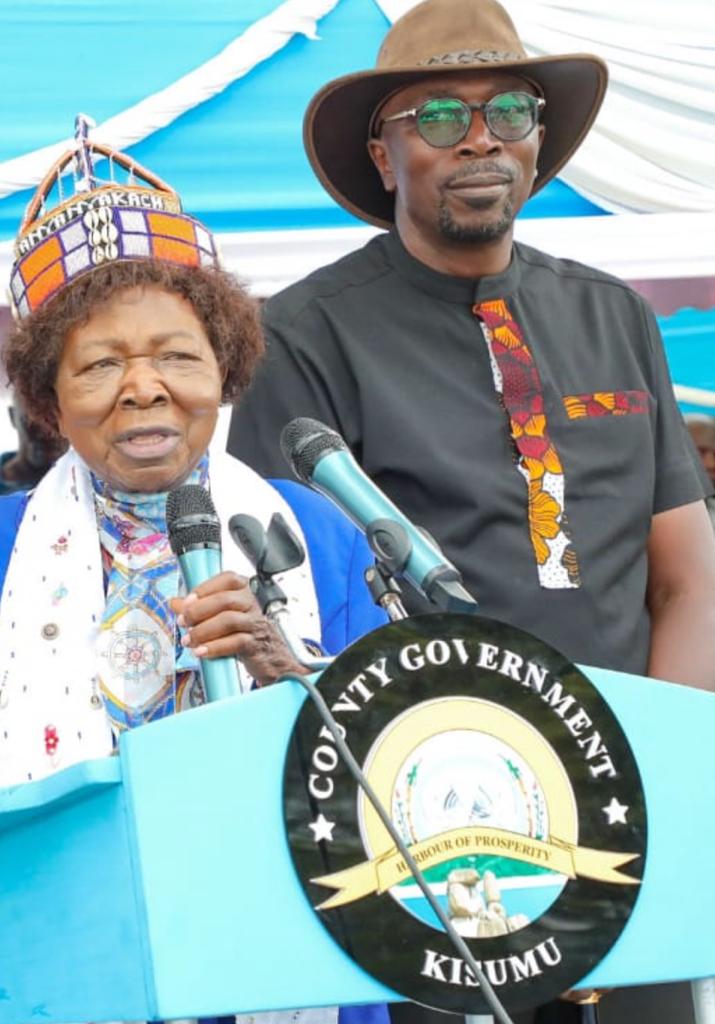
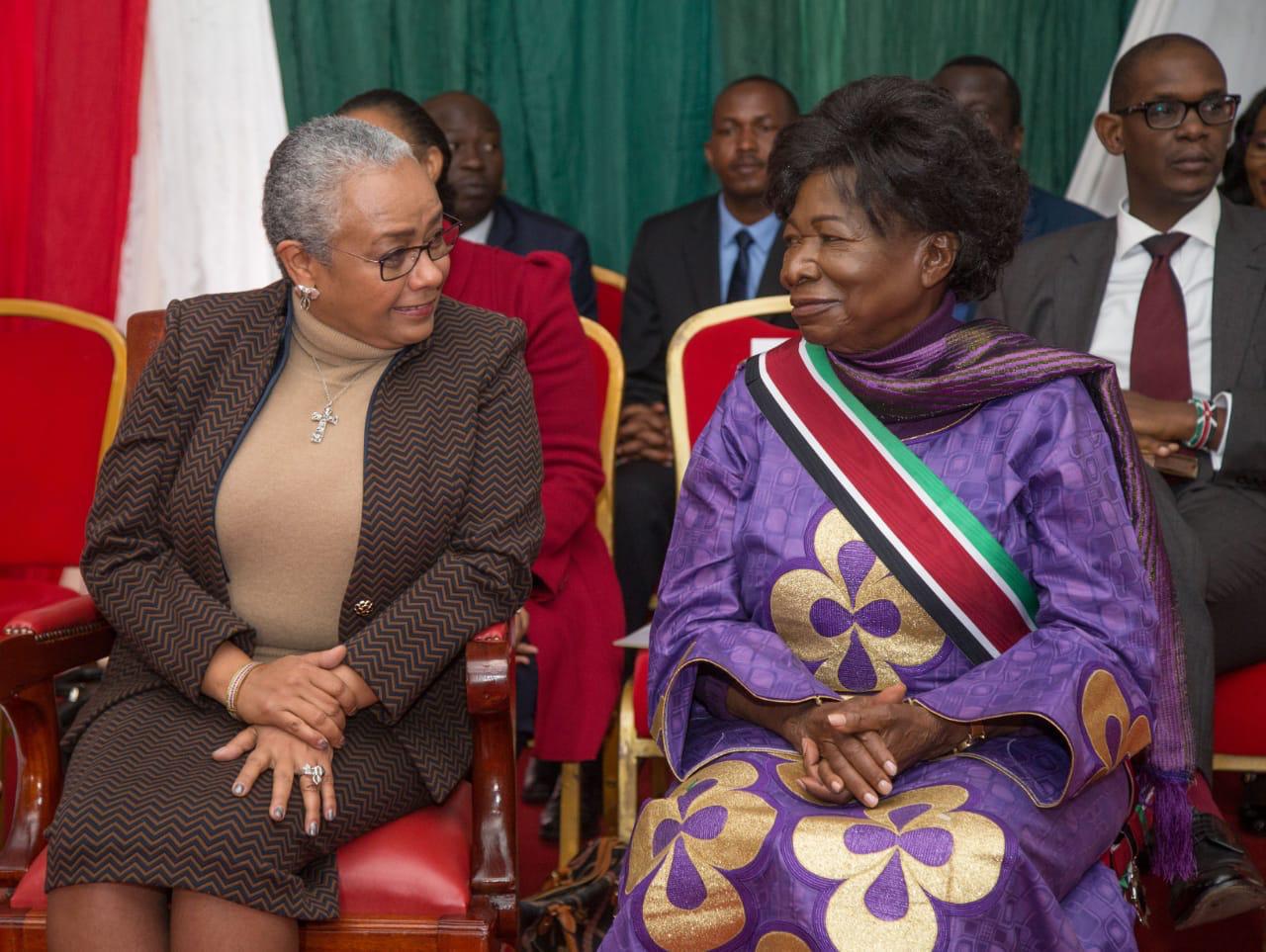
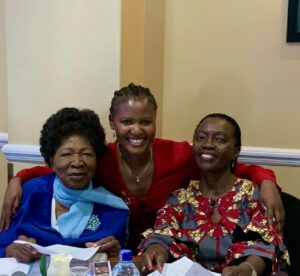
As Chair of the Caucus for Women’s Leadership, Phoebe Asiyo used her long experience in politics and governance to mentor younger women leaders. She often reminded members that women’s unity was the key to breaking systemic barriers. Under her leadership, the caucus became a respected voice in national debates on governance, representation, and constitutional reforms.
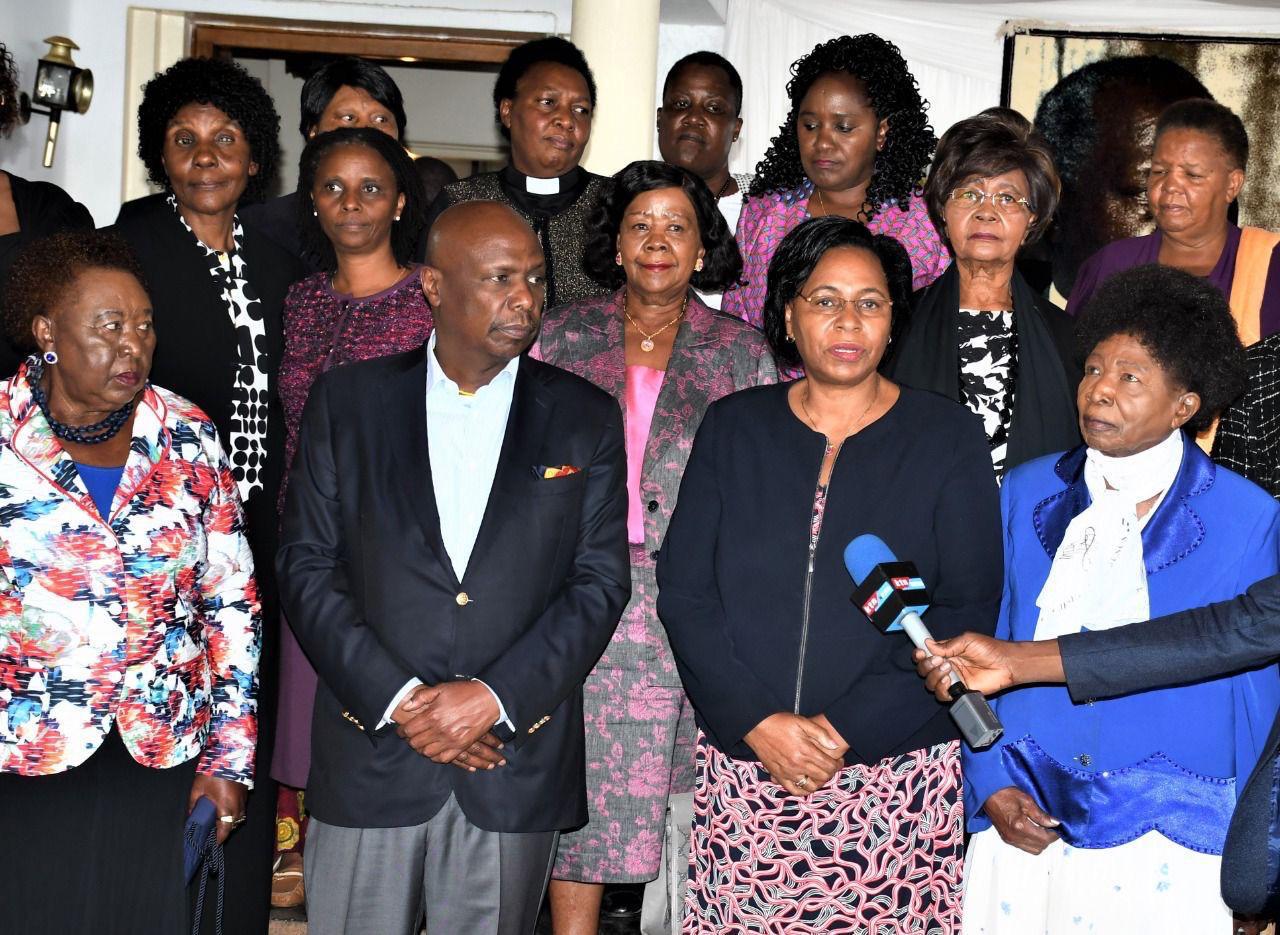
Many younger women leaders say they were inspired by Mama Asiyo’s boldness in Parliament and her push for affirmative action. Today, when we see women like Charity ngilu (former cabinet secretary), Beth Mugo (veteran politician), Martha Karua (former Minister of Justice, presidential running mate 2022), Gladys Wanga (Governor), Millie Odhiambo (MP), Anne Waiguru (Governor) and many more who are beneficiaries of Mama Asiyo’s mentorship legacy.
Their journeys are linked in part to the environment that Mama Asiyo and the Caucus created—where women had networks, mentorship, and collective strength. The Caucus for Women’s Leadership was not just an organization; it was a movement that bridged generations of Kenyan women leaders.
The caucus has played a key role in sustaining advocacy that led to the inclusion of the two-thirds gender rule in Kenya’s 2010 Constitution. It also helped many women transition into leadership roles in politics, civil society, and corporate sectors. By changing the perceptions of leadership in Kenya the caucus normalized women’s leadership as a national conversation rather than a fringe idea.
The mentorship legacy
Older leaders like Asiyo guided younger ones on navigating politics, leadership ethics, and public speaking. The Caucus brought together women from different political parties so they could lobby collectively for women’s issues. By supporting motions like Asiyo’s famous 33% women representation motion in 1997, the Caucus gave women leaders a rallying point. The Caucus helped amplify women leaders in the media and political platforms, showing the public that women could lead effectively. The CWL today is a dynamic and active force in Kenya’s gender equality movement. It bridges high-level policy advocacy with community-level activism and continues to nurture women leaders across generations.